
Feed the Soil: Football’s Haunted Kitchens and the Gothic Ecology of Player Transfers
From the Movie Incarnations Desk
‘A chef once fled a rotting garden for a golden cage.
He found not freedom, but a sharper knife.
In the end, he fed the soil his own hands
And the crowd ate like kings.’

The movie house of spoils rated 10/10 by myself
BARCELONA, 2025. The colour is not the same, but the glare is brighter. As Marcus Rashford pulled on the burgundy and blue of FC Barcelona for the first time, the number 14 stitched to his back, he was not merely changing clubs. He was enacting a scene from a forgotten script, a Gothic fable of extraction and exile where the protagonist is offered as a temporary sacrament to another. His unveiling was not a presentation, but a ritual, the final, silent scream of a talent that had been leveraged, securitized, and packaged as an asset for over a decade, first by his club, and then by the very ecosystem that grew around him.

JLingz making an appearance
This is the story of a dual haunting. It is the story of how the Glazer family’s financial engineering at Manchester United, a project of pure extraction that loaded the club with debt and siphoned its profits, created a perfect, dark mirror to the personal commercial empire built around their homegrown star. And it is the story of how Barcelona, a club itself teetering on a financial precipice yet freshly crowned domestic treble winners, becomes the unlikely forge for Rashford’s authentic redemption, a plot wondrously foreshadowed by my movie of the year ‘The House of Spoils’.

I’m not having it
To understand the chef’s flight, one must first taste the poison in the soil. The Glazer family’s 2005 acquisition of Manchester United was not a purchase but a heist, a leveraged buyout that placed a crushing £790 million debt not on their own books, but onto the club’s. This was the original sin, the moment the world’s most iconic football institution was transformed into a financial vehicle designed for a single purpose: to generate cash for debt servicing and shareholder profit. The groans of the Old Trafford crowd became the soundtrack to a silent, systemic extraction. Profits were diverted to service interest payments and dividends while the footballing infrastructure, the very garden that grew players, was left to wither.
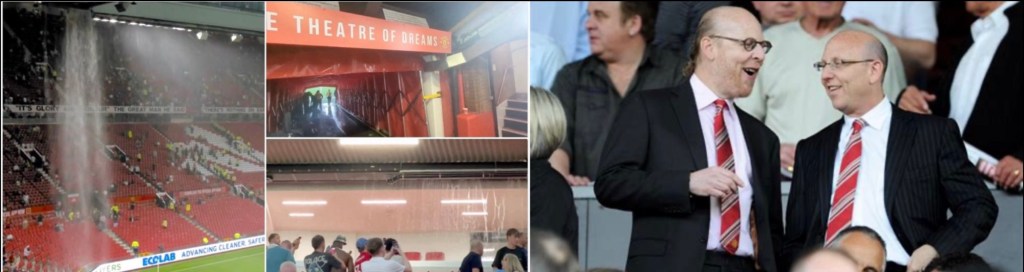
And then we’ll get them to pay for our new stadium lol
In this Gothic narrative, Marcus Rashford was not just a player; he was the orchard’s most precious fruit, his value measured not in goals alone but in his potential for monetization. He became a human bond, a financial instrument to be leveraged. Every new commercial partnership, every megawatt smile in a promotional campaign, was a form of interest payment, a cash flow generated to service the debt of the very system that was failing him. His own commercial brand risked becoming a mirror of this extraction, a personal corporation built around maximizing revenue from his image, sometimes at the expense of the focused, raw footballing passion that first made him famous. He was being consumed from the inside and out, the prize asset in a “rotten garden.”

THE GOLDEN CAGE OF THE TREBLE WINNERS
The call from Catalonia, then, is not a rescue. It is a transfer of custody from one fraught institution to another. Barcelona is a “golden cage,” a club of sublime, treble winning artistry on the pitch, a testament to the vibrant football they still play, but a house of financial spoils off it. Their well documented crisis is a spectacle of its own. A massive debt and a desperate reliance on “economic levers”, the future sale of TV rights and merchandising revenue, to fund a present day obsession with glory.
Rashford’s loan move is a classic Barcelona gambit being high prestige and seemingly low financial risk. The club covers his reduced salary but commits only to an option, not an obligation, to buy. He is another short term asset, a potential future claim on a balance sheet they are desperately trying to balance. For them, he is a calculated spoil of war, plucked from a distressed rival. Yet, paradoxically, it is within this cage of financial anxiety that Rashford finds his path to authenticity. Banished by Ruben Amorim, his iconic status revoked, he arrives with his value at its lowest ebb, stripped of the commercial and emotional baggage of being “Manchester’s son”. In Barcelona, no one owns him. There are no statues of his past self to haunt him. There is only the ball, the demanding Culés, and the relentless pursuit of the next win. The pressure is purer, distilled to its footballing essence. But this purity is itself a form of madness.

THE MADNESS PROTOCOL
His initiation is not on the hallowed turf of the Camp Nou, but in its shadowed depths. The bench, in this culinary Gothic, is more than a seat; it is a liminal zone, a real, physical space that simultaneously represents, contests, and inverts all other spaces around it. For a star player, the bench is a jarring, otherworldly realm. It is a place of observation and intense scrutiny, of isolation within a crowd, where his very identity is suspended. Here, the global icon is rendered a spectator, his value paused, his presence a question mark. This zone is the ultimate test of the House of Spoils allegory: can the chef, exiled from his own kitchen, find meaning in merely watching another’s?

When his chance comes, it is not with the patient, geometric artistry of classic tiki-taka. That is the language of the native sons. For Rashford, the requirement is more primal, more direct. His role is open-fire cooking. It is the chaotic, high intensity football perfected in the “cholo-gothic” kitchens of Diego Simeone’s Atlético Madrid, a style based on defensive sacrifice and explosive, direct counter attacks. Rashford’s instructions are to be a flame, not a cog, to disrupt the opponent’s meticulously prepared menu with the searing, unpredictable heat of pure pace and directness. He is not there to pass the ball into the net, but to scorch a path to it.

Scorching a path to Gooooooooool!!
And the critics are ever present, their verdicts instantaneous and brutal. The modern fan is the allergic diner, a figure defined by a hypersensitive, often fatal reactivity to perceived failure. On social media platforms, this manifests as a toxic swarm of reactions that can swell from zero to life threatening career commentary in minutes. A misplaced pass is not a mistake; it is a deadly allergen. A missed chance is not misfortune; it is a systemic failure that demands a violent purging of the offender from the body of the club. This digital jury, armed with memes and vitriol, is the final, maddening element in the pressure cooker, its collective judgment more volatile and less forgiving than any single sports columnist of old.

“What’s he cooking?”
FEEDING THE SOIL: THE AUTHENTIC SELF
This crucible of bench, tactical fire, and toxic scrutiny is where the allegory of The House of Spoils finds its resolution. The film tells of a chef who escapes a corrupt, rotting restaurant for a pristine, famous one, only to find the same corrosive pressures exist there too. His redemption comes not from the change of scenery, but from a radical act of self sacrifice within this new madness “feeding the soil” with his own hands to nurture something new and authentic. At Barcelona, the financial games continue around him, but he is no longer the central pillar supporting them. He is a participant, not the foundation. This liberation forces him to return to the primal element: performance. The “sharper knife” he finds is the intense, tactical discipline of Hansi Flick’s treble winning squad, the need to prove himself every day to teammates and to survive the allergic reactions of his new patrons.

“She’ s cooking!”
His authenticity will not be found in guaranteed starts or brand deals, but in the quiet integration into Barcelona’s relentless machinery. It is in the unheralded press, the selfless run, the embrace of a role defined by the collective necessity of open fire chaos. He is, finally, feeding the soil of his own talent with his effort and resilience, not his marketability. The crowd, of course, will eat like kings. They will consume his goals, his assists, his story. But the true victory, the final Gothic twist, is that the player who was once the ultimate symbol of financial extraction in modern football has, through a journey of exile and a voluntary descent into a new form of madness, found a way to become just a footballer again. And in that searing, simplified reality, lies the chance for his most authentic and triumphant self yet to finally emerge from the flames.
Come on Marcus Vamos!

Feed the soil! Feed the soil! Feed the soil!
Extras
The Mirror newspaper reports “Marcus Rashford has been dubbed “sweetie” by his new Barcelona team mates following his summer loan switch from Manchester United”
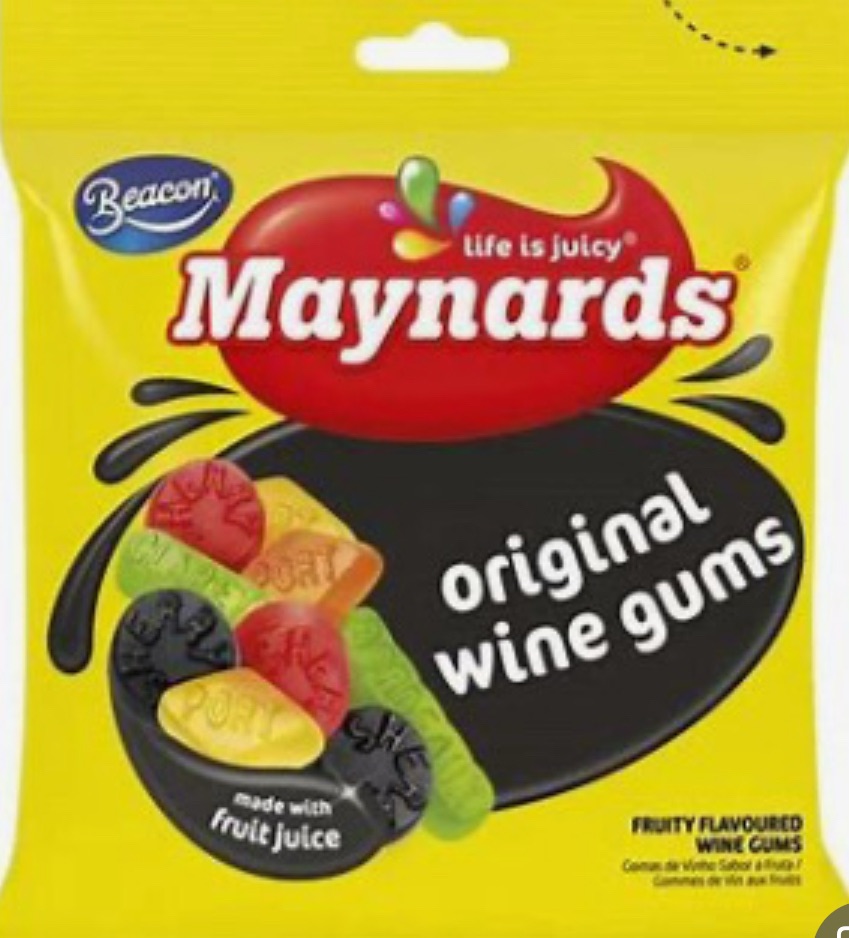
Talk about a sweet deal. His finishing has always been top tier. ¡Delicioso!
Leave a Reply